White County Criminal Court Records
A criminal court record begins when the case reaches the court system. In White County, local rules place murder, felony, misdemeanor, miscellaneous criminal, expungement, and post-conviction relief cases in White Superior Court. The Clerk of the Circuit Court maintains the local court record function, while the prosecutor files and prosecutes the charges. The case record then grows as the court schedules hearings, receives motions, enters orders, records pleas, and imposes a sentence or other disposition.
Criminal court records should not be treated as the same thing as a jail roster. A booking record may show custody, arrest date, bond, agency, and a booking charge. The criminal court file shows the formal court case, including what the prosecutor filed and how the court resolved it. For the arrest-to-charge pathway, use the White County arrest records and court charges page. For broad civil, family, probate, traffic, and criminal file access, use the court records page.
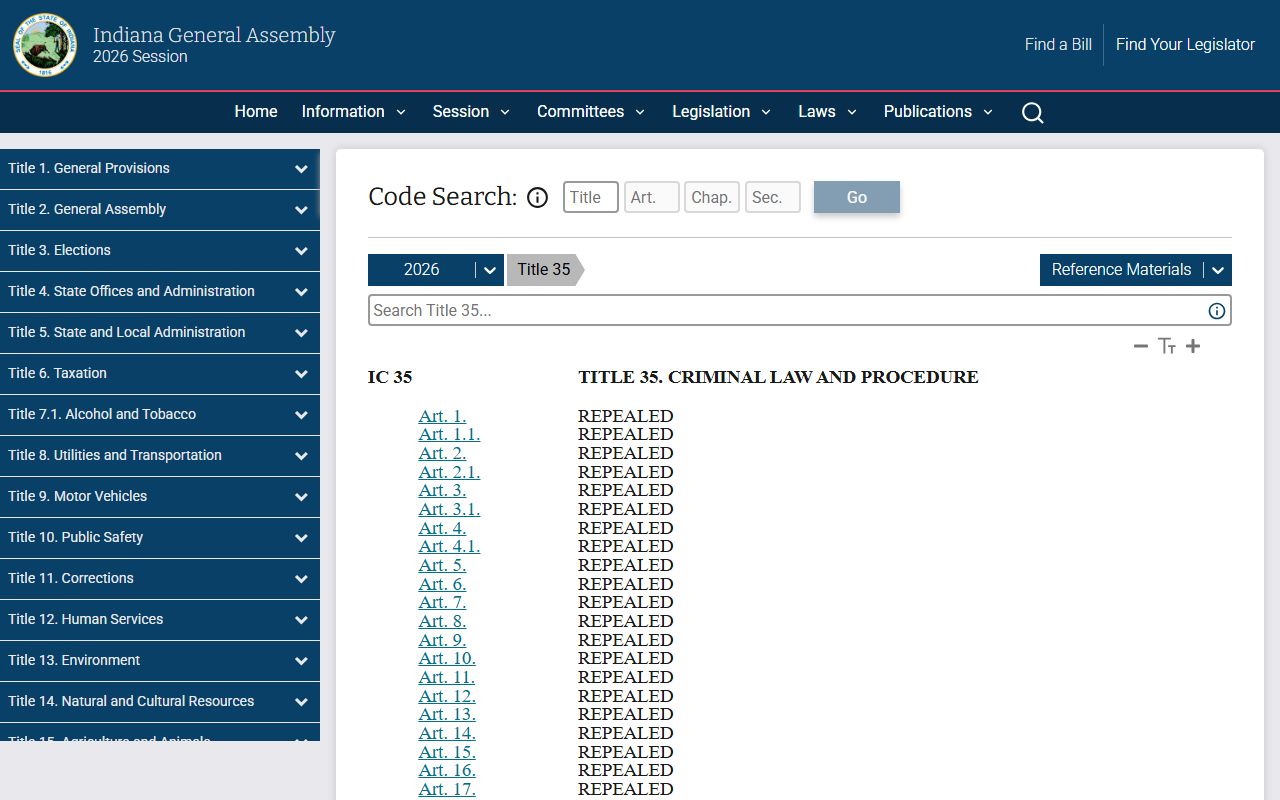
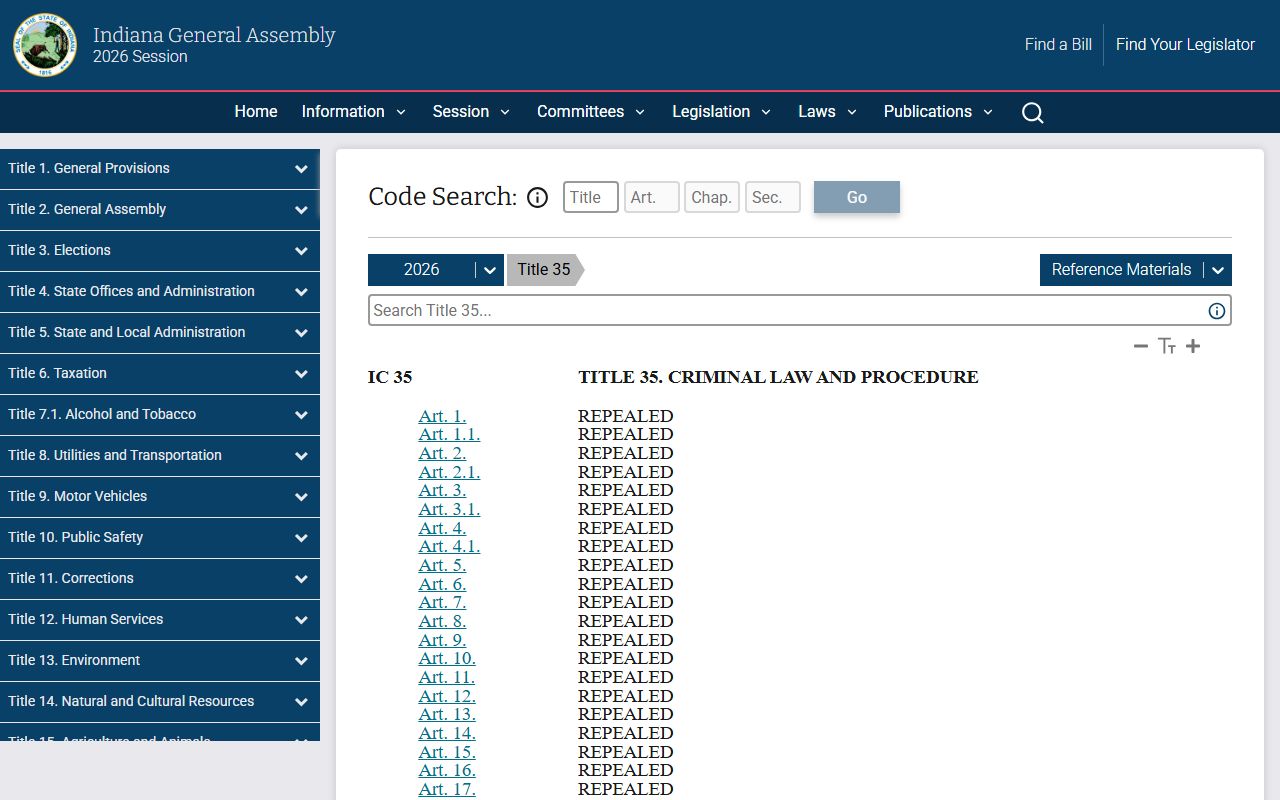
Indiana criminal law is published through the state code at Indiana Code Title 35.
Search White County Criminal Cases
The main public search path is Indiana MyCase. Search by case number when the cause number is known. Search by party when the defendant name is known, using last name plus first name, middle name, or date of birth. MyCase can also filter by court, case status, and file date. Date of birth helps search but does not display in the case detail because it is excluded from public access.
- Open MyCase and choose case or party search.
- Enter the criminal cause number, citation number, cross-reference number, or defendant name.
- Narrow by White County court, open or closed status, and file date if the result set is too broad.
- Open the case and read the charge list, docket events, hearing entries, plea or trial entries, disposition, and sentence.
- Request certified copies from the Clerk of the Circuit Court when a formal record is needed.
Older files may require the Clerk's 2017-and-prior SBS portal or direct contact with the Clerk. MyCase is useful for screening, but official records come from the court that maintains the case.
White County Criminal Case Flow
A criminal case changes as it moves through court. One arrest can lead to no filed case, one filed charge, or several counts. Once a case is filed, each step can create a docket event or document. Reading the entries in order prevents a common mistake: treating the first charge list as the final outcome.
Case flow: Charges Filed › Arraignment › Pretrial / Motions › Plea or Trial › Disposition › Sentencing
| Stage | What Happens |
|---|---|
| Charges Filed | The prosecutor files the charging document, and the court case opens under an Indiana cause number. |
| Arraignment | The defendant is advised of the charge and enters or receives a plea setting. |
| Pretrial / Motions | The court hears scheduling, discovery, suppression, bond, continuance, and other pretrial matters. |
| Plea or Trial | The case is resolved by plea, bench trial, jury trial, dismissal, or another court action. |
| Disposition | The docket records the outcome for each charge or for the case. |
| Sentencing | The court enters jail, prison, probation, fines, costs, restitution, treatment, or other sentence terms after conviction. |
White County local rules also describe bond schedule treatment for offense levels from murder through Level 6 felony and misdemeanors, plus enhancements for certain circumstances. Bond entries are part of the case record, but bond is not the same as conviction.
White County Criminal Record Fields
A White County criminal court record usually combines identity, filing, charge, docket, hearing, disposition, sentence, and financial data. Public access can vary by document and field. For example, date of birth can help search a MyCase record but does not display publicly in case details.
| Field | What It Shows |
|---|---|
| Case Number | The Indiana cause number for the criminal case. |
| Court | White Superior Court for criminal cases under the local allocation rule. |
| Defendant | The named defendant and public party role. |
| Charges / Counts | The filed offenses, each count, statute reference when shown, and severity level. |
| Bond | Release amount or conditions when entered in the court record. |
| Hearings | Arraignment, pretrial conference, trial, plea, sentencing, review, or other court dates. |
| Motions and Orders | Requests to the court and the judge's directions or rulings. |
| Plea | The defendant's answer or plea agreement event when public. |
| Disposition | The outcome of each charge, such as guilty, dismissed, acquitted, or another court result. |
| Sentence | Jail, prison, probation, fines, costs, restitution, no-contact terms, or treatment conditions. |
| Financial | Court costs, fines, restitution, and payment status where public. |
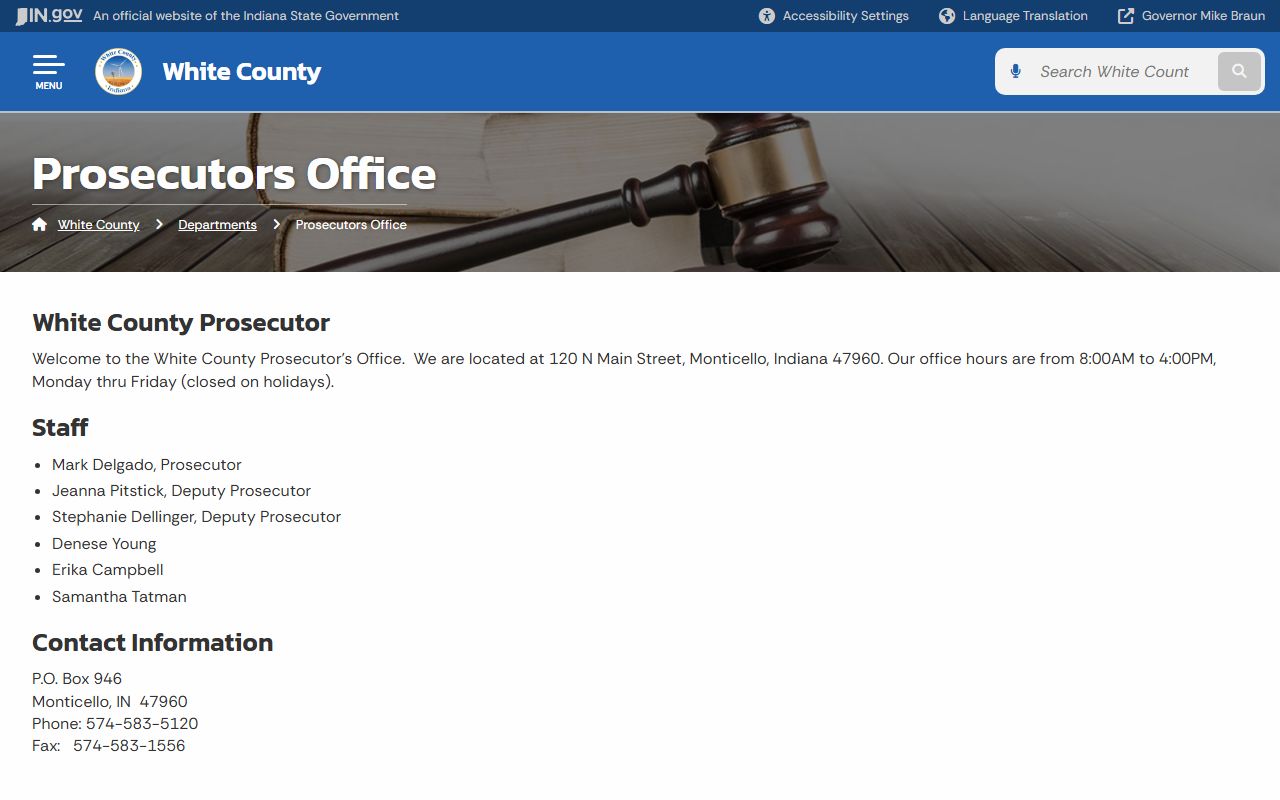
The White County Prosecutor's Office is the local charging and prosecution office for criminal cases.
Charges vs Convictions
A charge is an accusation filed in court. A conviction is a final result after a guilty plea, guilty verdict, or other conviction event. White County criminal court records may show charges that were amended, reduced, dismissed, or resolved differently from the original filing. Each count should be checked separately.
| Point | Charge | Conviction |
|---|---|---|
| Meaning | An accusation filed by the prosecutor. | A formal finding or plea that the defendant is guilty. |
| Timing | Appears near the beginning of the case. | Appears after plea, trial, or other final action. |
| Record Risk | May later be dropped, reduced, amended, or dismissed. | Can lead to sentence, probation, fines, costs, and collateral effects. |
| How to Read | Check the current charge status and docket updates. | Check disposition and sentencing entries. |
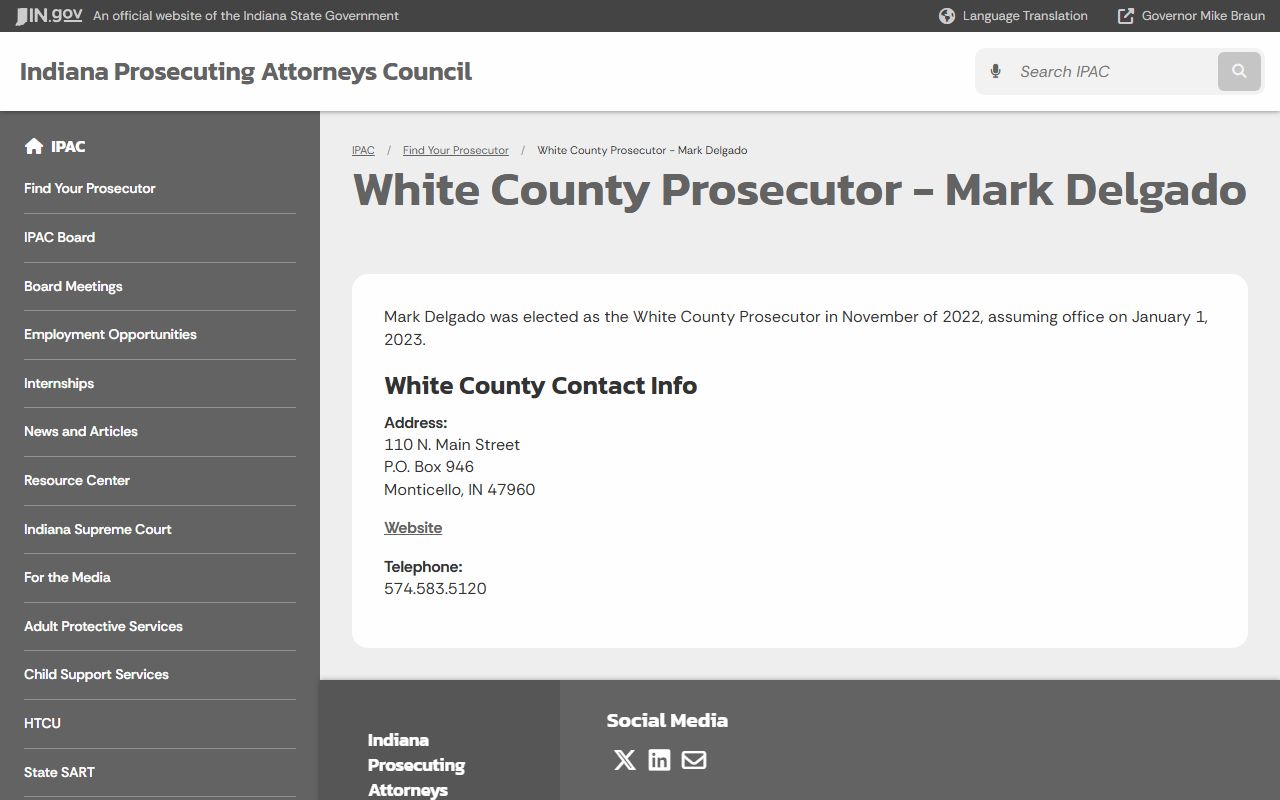
The Indiana Prosecuting Attorneys Council profile for White County appears at IPAC's White County prosecutor listing.
Read Dispositions and Sentences
Disposition entries are the key to reading a criminal court record correctly. A docket may list several charges near the start, then later show one conviction, one dismissal, and one amended count. Sentencing entries should be read after disposition, not before it. They may include jail time, prison commitment, probation, fines, costs, restitution, no-contact orders, treatment terms, or credit-time references.
The White County Probation Department provides adult and juvenile probation services under both Circuit and Superior Courts. Criminal dispositions involving probation can therefore create docket entries linked to supervision, review hearings, violations, or program requirements.
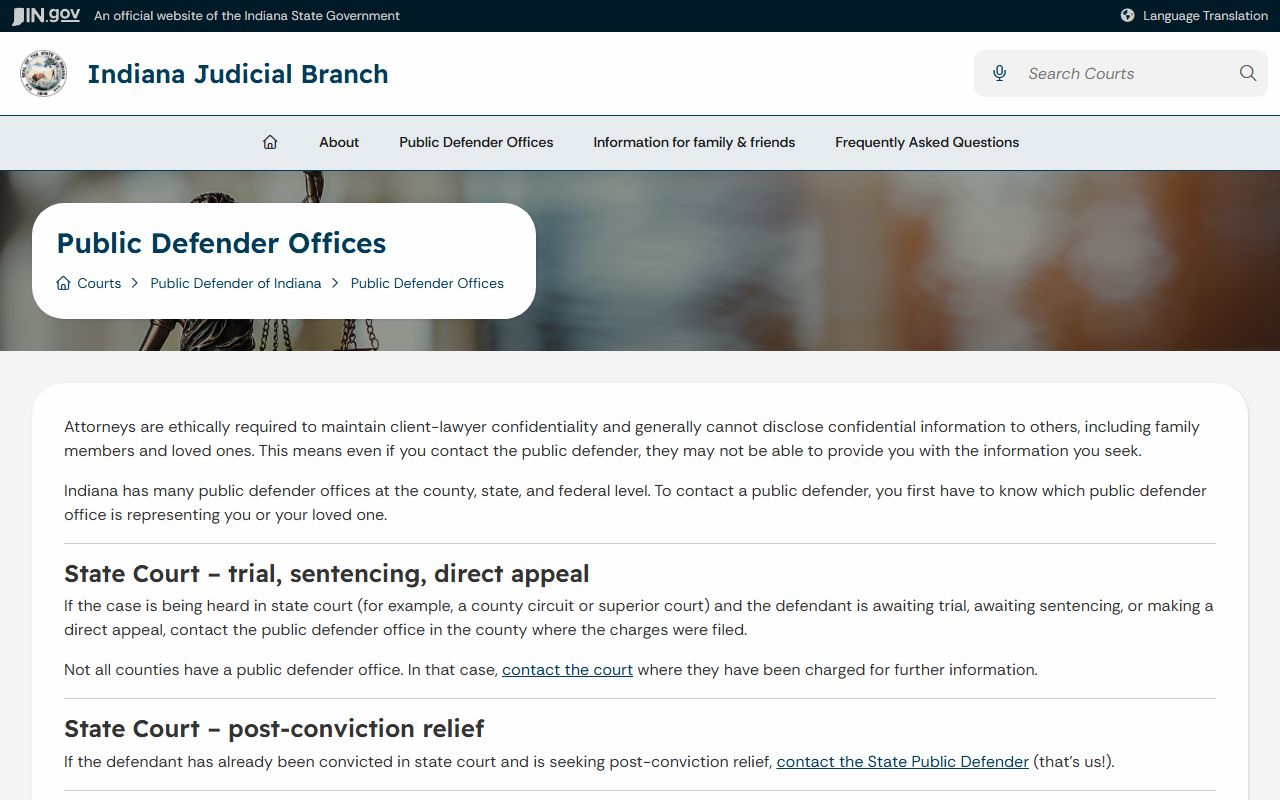
The Indiana Public Defender Council resources are relevant where a criminal defendant is entitled to appointed counsel.
Sealed vs Expunged Records
Indiana distinguishes restricted access from expungement treatment. White County local rules allocate expungement cases to Superior Court, and Indiana expungement law appears in IC 35-38-9. A sealed or excluded record is hidden from public access by rule, statute, court order, or other authority. An expunged record may be sealed, marked expunged, or restricted according to the statutory category and order.
| Point | Sealed or Excluded | Expunged |
|---|---|---|
| Core Effect | Public access is limited or blocked. | Public access and legal treatment are changed under Indiana expungement law. |
| Source | Indiana court-access rules, statute, or court order. | IC 35-38-9 and a court order when granted. |
| White County Venue | The court that controls the record applies the access rule. | Expungement cases are allocated to White Superior Court. |
| Important Limit | Authorized parties may still have access in some settings. | Expungement does not always erase the record from every government system. |
A person seeking access to excluded records must follow Rule 9 and ask the court. The record remains confidential unless the court grants access.
The state expungement chapter is available through Indiana Code Title 35.
Public Access to Criminal Records
Indiana court records are generally accessible under the Indiana Rules on Access to Court Records unless a rule, statute, court order, or other authority excludes them. The Indiana Access to Public Records Act supplies the broader public-record rule, but court files are governed by the court-access rules for public case information, excluded documents, and redactions.
Key access rules: Rule 4 states the general access presumption, Rule 5 lists excluded records, and Rule 9 governs requests for excluded records.
Juvenile criminal-type matters are not public like adult cases. Personal identifiers, confidential addresses, Social Security numbers, financial account numbers, birth dates in case detail, sealed records, and expunged records may be withheld or redacted.
Custody After Criminal Court
White County jail custody, Indiana Department of Correction custody, and federal custody are different record systems. A person in the county jail may be a pretrial detainee and not convicted. A person sentenced to state prison should be checked through the Indiana Department of Correction. A federal sentence or federal detention belongs outside White County court record systems.
The Bureau of Prisons inmate locator is the federal custody channel, not a White County criminal court records database.